


The Beauty and his Beast; Parenting Through the Spectrum

Autism changed my life.
Just like the story of the Beauty and the Beast, my son's diagnosis of autism provided lessons even Disney can't deny
the value of kindness over superficial qualities
that perfection is boring
love conquers all
fear controls
its totally cool to be different
happily ever after doesn't need to look a certain way
I am a mom of an 18 year old, non-verbal child living on the spectrum. He is my only child and he is ALOT... he takes all of the space in the room and in my heart. He turns into a rockstar at night, requiring little to no sleep and jamming to music while he paces up and down the halls. I often tell people that he is the loudest non-verbal human on the planet. He will let you know he has entered the room, either by flipping the lights on, verbal stemming (loud repetitive sound) or tapping on things. He has this look that he gets every so often that lets you know that he is up to something. He gets that from me.
Have you heard this yet? When you meet one child on the spectrum, you meet one child on the spectrum.
Our story begins with an uneventful pregnancy and elation that at 30 years old I was finally starting a family with my high school sweetie. My son hit all of his milestones, was classically funny and loved books and knew all of his ABC. I parented by the book...you know that big old bible of a book that tells you the when's, how's and why's.
At 18 months there was a transition and by 23 months a regression of skills that confused even the doctors. Early intervention and diet changes were recommended and with that the journey of recovery began. I read so many books, spoke to countless professionals and parents that the next steps were like driving cross country but without Mapquest. Fear was the navigator.

1 and 54 children are diagnosed with ASD... There are no causes or cures. The recommended treatments are not one size fits mosts, its individualized.
When my son was diagnosed in 2005, the recommended services were
ABA- applied behavior analysis
Occupational therapy
Speech therapy
Special education- IEPs
Vitimin protocols
Special diets (gluten casein free)
Sleep studies
MRIs
Gastrointestinal appointments
The biggest issues faced and continue to face
chronic sleep disturbances
bowel blockages
verbal and body stems
Darting away from safety
Finding sitters and people to help
Isolation
Parental mental health- compassion fatigue and burnout
Overwhelming negative impact on relationships
Lack of support from the most unexpected places and people
For years no one in my house smiled. We were hurt, scared and unsure how to navigate our future. It was difficult enough just making it through the day, so happiness did not seem high on the needs list, it truly was about survival. I spent my days reading and researching new protocols focused on recovery and was fortunate enough to travel to meet Trail Blazers with advanced knowledge for treatment. Each new journey gave us hope and each new journey led to disappointment and guilt.
The autism roller coaster was making us all sick.
I sought counseling which ended in more frustration because the counselors were not familiar with autism and the impact on daily living. The experience left me feeling more isolated. Spending time with family and friends were the least desirable activities in the early years. Listening to stories about neurotypical struggles usually left me in tears. I focused more on the differences and the struggles and totally missed the moments when I was surrounded by the kindness of others. (Its only recently that I recognize those sweet souls who were there with me in the early years).
When I let go of the unrealistic expectations I had for my son, a positive shift occurred.
I can't lie, I felt deep shame and guilt when we shifted from recovery to family survival. I couldn't do it anymore, we were all miserable. I lost sight of the fact that love was the reason for everything. Love.
And when I returned to school to finish my masters degree in counselor education, another positive shift occurred, a deeper understanding about how my mental health impacted the very soul I was obsessed with helping.
We have had lots of bumps and bruises along the way, I work hard to quiet the voice that tells me that I should be working to change him instead I spend time highlighting his awesomeness. Isn't that what social media is great for, right?!? My guy is really cool and keeps us laughing with his sneakiness.
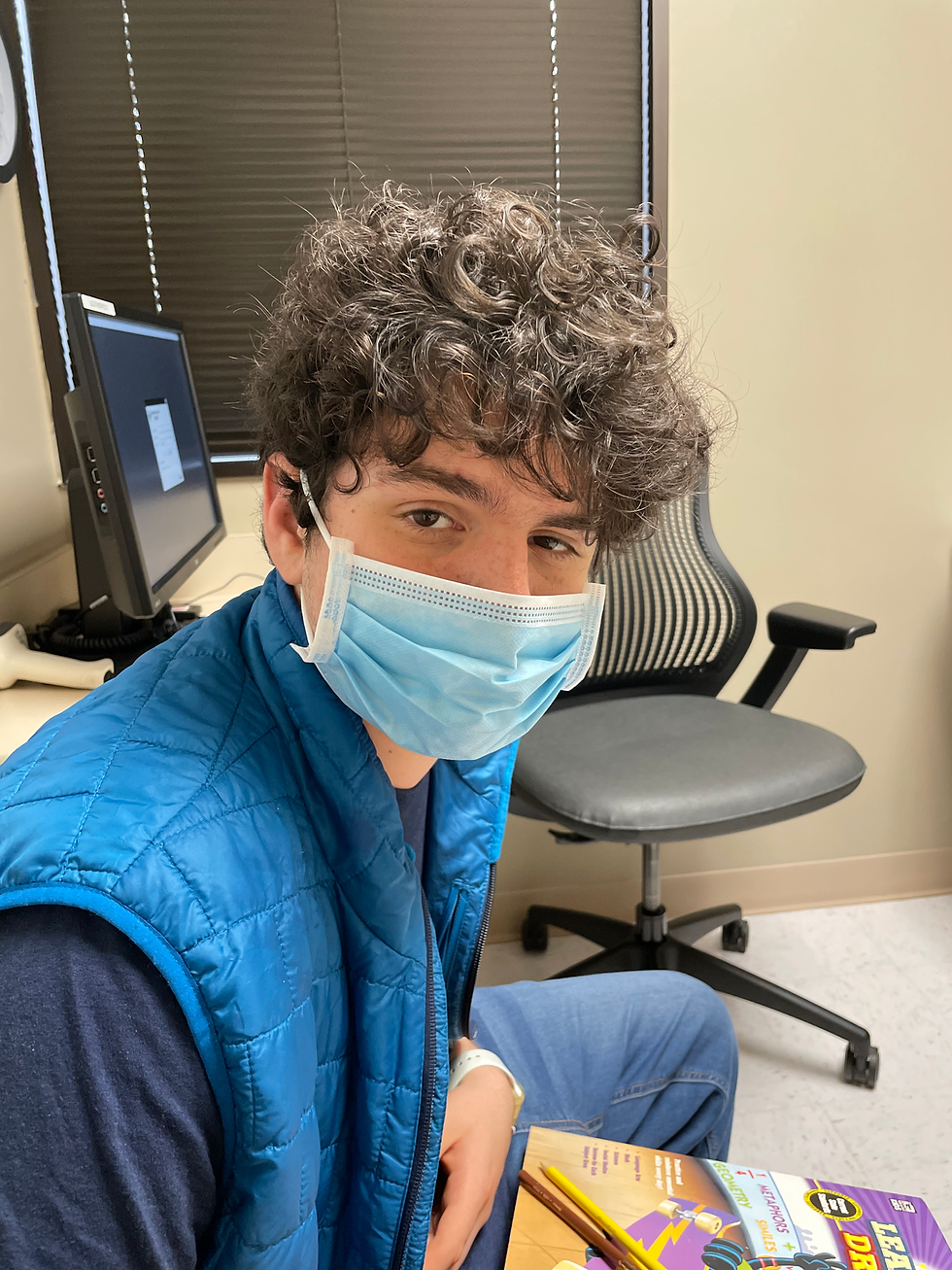
Today, I take the journey through autism day by day. I work hard to honor the smiles I see on my son's face.
My son has taught me more about life than any Disney movie. He is the beauty and I am his beast. He loves me despite my outward struggle. I absolutely believe that my son is changing the lives of others, through his beauty despite the obstacles that stand in his way. After all, he is responsible for changing this beast.
Side note-when they find a cure for autism, I want to be first in line, not to change him but just to hear his voice call my name.
By: Julie Galloway, LPC, RPT


There is something approachable about discussing making online tutoring sessions effective through situations people can actually picture. A clear question before a session can help the learner use the available time well. It makes me curious about the practical side of online tutoring support. I would be interested in a simple example, because it is often the ordinary details that make an idea memorable. How would you check that a tutoring explanation has actually become understandable?
Considering sharing the everyday questions of parenthood, I keep coming back to the difference between knowing about an idea and putting it into practice. Small concerns can be easier to discuss when parents hear that others have similar questions. For me, that is a useful way into the broader subject of parenting support discussions. I am more curious about the process than a polished result, because the steps in between are usually where questions appear. What makes a parenting discussion feel helpful rather than competitive?
What draws my attention to building management skills through practical situations is the possibility of making an unfamiliar subject feel closer to everyday life. A realistic scenario can expose how different decisions affect a team's work. I would keep that thought nearby when looking for ideas about management skills training. I am more curious about the process than a polished result, because the steps in between are usually where questions appear. Which situations are most useful for practising management before taking responsibility for a team?
Bài về cách nuôi dạy con mà tôi đọc giữa lúc rửa bát, xong đứng hẳn ra đọc lại từ đầu. Ban đầu tôi tưởng tác giả sẽ dồn dập vào cảm xúc, ai cũng biết chuyện đó hay xúc động, nhưng bài này giữ nhịp đều, cứ lặp đi lặp lại một câu hỏi rồi đưa ra ví dụ cụ thể. Tôi cũng từng nghĩ chuyện như vậy khi con hỏi nhiều, lúc đó thường trả lời cho xong chứ không ngồi lại nghe hết. Nghĩ ngại ra, cũng giống kiểu tối nay đấy, tôi mở https://jd88game.net lúc chờ nước sôi, xem chừng hai phút rồi đóng lại, không nghĩ gì thêm, nhưng đầu thì hơi để ý mấy màu…
Đọc xong mấy đoạn về việc nhìn khác biệt của con như một phần của đứa trẻ chứ không phải lỗi cần sửa, tôi nghĩ đúng là phần ai cũng quên nói. Mình hay đọc vào lúc đêm khuya, lúc đầu còn định lướt qua cho xong, nhưng câu "beast" trong tiêu đề lại khiến tôi dừng lại khá lâu. Có lẽ vì chính mấy lần tôi với người thân đối xử quá dễ khi con khó tính, rồi về nhà lại tự thắc mắc sao mình nổi nóng. Nghĩ vậy thôi, không khẳng định gì cả. Một thói quen nữa của tôi lúc rảnh là lên đọc vài trang về game bài đổi thưởng, chẳng vì gì đâu, chỉ…